

Introduction
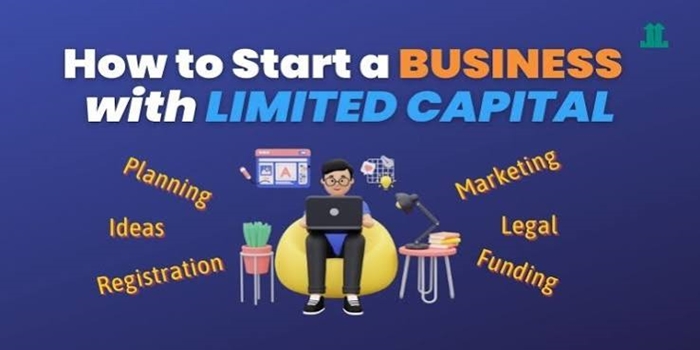
Starting a business doesn’t always require a large investment. With the right idea, careful planning, and smart use of available resources, anyone can launch a successful venture on a limited budget. By focusing on low-cost opportunities and managing expenses wisely, you can turn your entrepreneurial dreams into reality without breaking the bank.
Understanding the Advantages of Low-Capital Businesses
Starting with minimal capital offers several advantages that many entrepreneurs overlook.
Reduced Financial Risk
When you invest less money, you expose yourself to less financial loss if the business does not perform as expected. This allows you to experiment, learn, and adapt without accumulating significant debt.
Greater Flexibility
Low-cost businesses are generally easier to modify or pivot when market conditions change. You can test different products, services, and business models without major financial consequences.
Faster Decision-Making
Businesses with fewer financial commitments often operate more efficiently. Entrepreneurs can make quick decisions and implement changes without navigating complex financial structures.
Focus on Profitability
Limited resources encourage business owners to prioritize activities that generate revenue, helping create sustainable business practices from the beginning.
Step 1: Identify Your Skills and Strengths
The cheapest business to start is often one based on skills you already possess.
Consider the following questions:
What skills do you have that others find valuable?
What professional experience can you monetize?
What hobbies or interests could become income-generating activities?
What problems can you solve for people?
Examples include:
Graphic design
Content writing
Digital marketing
Social media management
Web development
Photography
Tutoring
Consulting
Virtual assistance
Bookkeeping
When you build a business around existing skills, you eliminate many startup costs associated with training, equipment, and product development.
Step 2: Choose a Business Model That Requires Minimal Investment
Not all businesses require inventory, office space, or expensive equipment.
Service-Based Businesses
Service businesses are among the most affordable to launch because they rely primarily on expertise rather than physical products.
Examples include:
Freelance writing
Business consulting
Personal coaching
Online tutoring
Social media management
Event planning
Graphic design
Digital Products
Digital products can be created once and sold repeatedly.
Examples include:
E-books
Online courses
Templates
Stock photos
Printable planners
Digital artwork
Affiliate Marketing
Affiliate marketers earn commissions by promoting products or services from other companies. Startup costs are relatively low, especially when using social media or a personal blog.
Dropshipping
Dropshipping allows entrepreneurs to sell products without maintaining inventory. Suppliers handle storage and shipping while the business owner focuses on marketing and customer service.
Print-on-Demand
Print-on-demand businesses sell customized products such as T-shirts, mugs, and phone cases. Products are manufactured only after a customer place an order.
Step 3: Conduct Market Research
Many businesses fail because entrepreneurs create products nobody wants.
Before investing money, research your target market thoroughly.
Understand Customer Problems
Successful businesses solve real problems.
What frustrations do people experience?
What solutions are currently available?
What gaps exist in the market?
Analyze Competitors
Study existing businesses in your niche.
Look at:
Pricing strategies
Customer reviews
Marketing techniques
Product offerings
Strengths and weaknesses
Competitor analysis helps identify opportunities to differentiate your business.
Validate Your Idea
Before spending money, test demand through:
Surveys
Social media polls
Online communities
Free consultations
Pilot programs
Pre-orders
Validation reduces the risk of launching a business with insufficient demand.
Step 4: Create a Simple Business Plan
A business plan does not need to be lengthy or complicated.
Your plan should answer:
What Will You Sell?
Clearly define your products or services.
Who Is Your Target Customer?
Identify demographics such as:
Age
Location
Income level
Occupation
Interests
How Will You Make Money?
Determine:
Pricing
Revenue streams
Sales channels
What Are Your Costs?
List expected expenses, including:
Website hosting
Marketing
Software subscriptions
Business registration fees
What Are Your Goals?
Set measurable objectives for:
Revenue
Customer acquisition
Growth milestones
A simple one-page business plan can provide enough direction for a new entrepreneur.
Step 5: Start Lean
The lean startup approach emphasizes launching quickly and improving over time.
Avoid spending money on:
Expensive offices
Luxury equipment
Excessive inventory
Unnecessary software
Complex branding packages
Instead, focus on essentials.
Use Free or Affordable Tools
Many high-quality tools offer free versions.
Examples include:
Free website builders
Social media platforms
Cloud storage services
Project management tools
Graphic design applications
Starting lean helps preserve cash flow and improve profitability.
Step 6: Build an Online Presence
Today, every business benefits from online visibility.
Create a Professional Website
A website serves as your digital storefront.
Include:
About page
Product or service descriptions
Contact information
Customer testimonials
Portfolio or case studies
Utilize Social Media
Social platforms provide cost-effective marketing opportunities.
Share:
Educational content
Customer success stories
Behind-the-scenes updates
Industry insights
Promotional offers
Consistency often matters more than advertising budgets.
Build an Email List
Email marketing remains one of the most effective channels for customer engagement.
Offer incentives such as:
Free guides
Discounts
Checklists
Exclusive content
Building an email list creates a direct communication channel with potential customers.
Conclusion
Starting a business with minimal capital is possible when you focus on the right opportunities, use available resources wisely, and remain committed to your goals. While challenges may arise, determination, creativity, and careful planning can help you build a successful business without a large financial investment. Take the first step today, and grow your business one stage at a time.
READ: Understanding The Common Reasons New Businesses Fail