

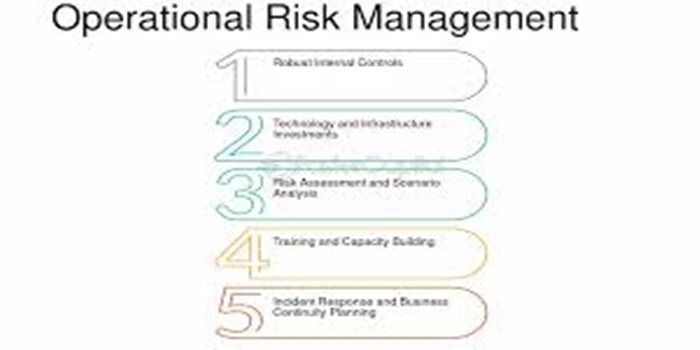
In this article, we explained production risk management, operational risk in production, characteristics of production risks, risk assessment and prioritization.
Definition
Production risk management involves identifying, assessing, and mitigating uncertainties in manufacturing or agricultural processes, such as equipment failure, pests, weather, or supply chain disruptions, that threaten yield, quality, and profitability. Key strategies include diversification, adopting new technology, maintaining contingency plans, and purchasing insurance to ensure stable, high-quality output.
Operational risk in production refers to potential losses or disruptions caused by failed internal processes, human error, system failures, or external events during manufacturing. Common examples include equipment breakdowns, supply chain delays, quality control failures, and safety incidents, which directly result in production downtime, financial losses, and reputational damage.
Characteristics of Production Risks:
Potential Loss of Revenue: If production is delayed or halted, it can lead to a loss of potential sales and revenue.
Increased Costs: Production risks can result in unforeseen expenses, such as the cost of fixing errors, expediting materials, or compensating for delay.
Reduced Quality: Issues in the production process can lead to defects or lower quality products or services, which can damage a company’s reputation and lead to returns or warranty claims.
Delayed Project Completion: Production problems can push back project deadlines, affecting the overall timeline and potentially incurring penalties or missing market opportunities.
Impact on Supply Chain: Production risks can disrupt the supply chain, affect the availability of raw materials or components and impact downstream processes.
Safety Hazards: Production environments can have inherent safety risks, and issues in processes or equipment can increase the likelihood of accidents or injuries.
Categories of Operational Risks in Production
Process Risks
Risks arising from flawed or inefficient production processes.
Bottlenecks and poor workflow design
Inadequate standard operating procedures (SOPs)
Poor quality control systems
Overdependence on manual processes
A poorly calibrated assembly process leading to high defect rates.
Equipment and Technology Risks
Risks related to machinery, tools, software, and automation systems.
Equipment breakdowns and wear
Obsolete machinery
Software failures or cyberattacks on production systems
Insufficient maintenance practices
Unexpected downtime due to failure of a critical machine with no backup.
Human Resource Risks
Risks associated with workforce behavior, skills, and availability.
Human error
Inadequate training
Labor shortages
Fatigue and unsafe work practices
Example: Incorrect machine setup by untrained staff leading to production losses.
Supply Chain and Input Risks
Risks related to raw materials, components, and logistics.
Supplier unreliability
Poor material quality
Transportation delays
Single-source dependency
Production halts due to delayed delivery of critical components.
Health, Safety, and Environmental (HSE) Risks
Risks that threaten worker safety and environmental compliance.
Workplace accidents
Hazardous material exposure
Regulatory non-compliance
Environmental pollution incidents
Chemical spills causing plant shutdowns and legal penalties.
External and Environmental Risks
Risks originating outside the organization.
Natural disasters
Power outages
Political instability
Regulatory changes
Flooding that disrupts factory operations and logistics.
Identifying Operational Risks in Production
Effective risk identification requires a structured, continuous, and organization-wide approach.
Risk Identification Techniques
- a) Process Mapping and Flow Analysis
Visualize each step of production
Identify failure points, delays, and dependencies
- b) Risk Workshops and Brainstorming
Involve cross-functional teams (operations, maintenance, quality, safety)
Capture frontline insights often missed by management
- c) Historical Data Analysis
Review past incidents, downtime reports, defect records, and near-misses
- d) Failure Mode and Effects Analysis (FMEA)
Identify potential failure modes
Assess severity, likelihood, and detectability
Prioritize risks using risk priority numbers (RPNs)
- e) Audits and Inspections
Internal and external audits
Safety, quality, and compliance inspections
Risk Assessment and Prioritization
Once risks are identified, they must be evaluated to determine where to focus mitigation efforts.
Risk Assessment Criteria
Likelihood: Probability of occurrence
Impact: Financial, operational, safety, and reputational consequences
Detectability: Ability to identify the risk before it causes harm
Risk Matrix
A risk matrix categorizes risks into:
Low risk (monitor)
Medium risk (control)
High risk (immediate mitigation)
Critical risk (stop production until resolved)
Mitigating Operational Risks in Production
Risk mitigation involves designing and implementing controls to reduce exposure.
Process Risk Mitigation
Standardize procedures and work instructions
Implement lean manufacturing and Six Sigma practices
Introduce process automation where feasible
Use real-time monitoring and statistical process control (SPC)
Equipment and Technology Risk Mitigation
Preventive and predictive maintenance programs
Equipment redundancy for critical assets
Lifecycle management and timely upgrades
Cybersecurity measures for industrial control systems
6.3 Human Resource Risk Mitigation
Continuous training and certification programs
Clear role definitions and accountability
Fatigue management and ergonomic design
Safety culture promotion and incident reporting systems.
Conclusion
Production risk management is essential for ensuring operational stability, cost efficiency, safety, and competitiveness. By systematically identifying operational risks, prioritizing them based on impact and likelihood, and implementing targeted mitigation strategies, organizations can significantly reduce production disruptions.
READ: The Role of Production Planning in Reducing Manufacturing