

Introduction
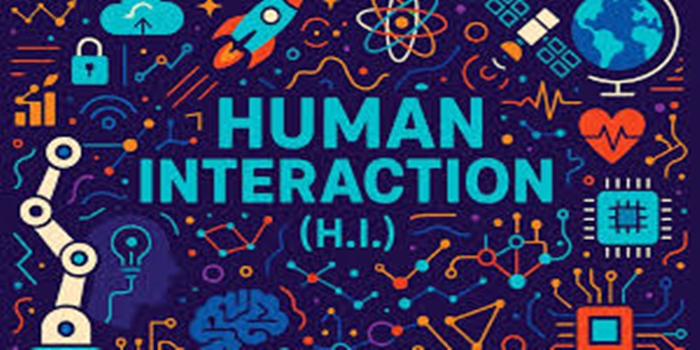
The future of human interaction is being reshaped by rapid advances in technology, shifting cultural norms, and evolving social needs. What it means to “connect” with others is expanding beyond physical presence into digital, virtual, and even AI-mediated experiences. While human relationships will always remain central to society, how we communicate, build trust, and form communities is undergoing profound transformation.
- The Rise of Digital-First Communication
Human interaction is increasingly moving online.
Key drivers:
Smartphones and constant connectivity
Social media platforms
Remote work and global collaboration
Platforms like WhatsApp, Zoom, and X (formerly Twitter) have already transformed communication into something that is:
Instant
Borderless
Asynchronous (not time-bound)
Text, voice, and video will merge seamlessly
Communication will feel more natural and immersive.
Virtual and Augmented Reality (Immersive Interaction)
The next stage of interaction goes beyond screens into immersive environments.
Technologies involved:
Virtual Reality (VR)
Augmented Reality (AR)
Mixed Reality (MR)
Platforms like Meta are investing heavily in the concept of the “metaverse,” where people interact in digital spaces using avatars.
Future possibilities:
Virtual meetings that feel like physical presence
Digital classrooms and workplaces
Social gatherings in virtual environments.
Artificial Intelligence as a Social Participant
AI is no longer just a tool—it is becoming part of human interaction.
Examples:
Chatbots and virtual assistants
AI companions
Personalized recommendation systems
Systems like ChatGPT are already engaging in meaningful conversations with humans.
Future implications:
AI may act as friends, tutors, or therapists
People may form emotional connections with AI
Human-AI collaboration will become normal.
Decline of Face-to-Face Interaction (and Its Consequences)
As digital interaction grows, physical interaction may decline in some areas.
Potential impacts:
Reduced social skills in some individuals
Increased loneliness or isolation
Less community bonding in physical spaces
However, this does not mean physical interaction disappears—it becomes more intentional and meaningful.
Remote Work and Decentralized Collaboration
Workplace interaction is changing dramatically.
Key shifts:
Remote and hybrid work models
Distributed teams across countries
Reduced need for physical offices
Tools like Slack and Microsoft Teams enable constant collaboration.
Future:
Digital workplaces will dominate
Physical offices may become optional.
Ethical and Privacy Concerns
The future of interaction raises serious ethical questions.
Issues:
Data privacy
Surveillance
Algorithmic bias
Digital manipulation
People are increasingly concerned about how their data is used in interactions online.
The Role of Culture and Society
Different cultures will adapt to these changes in unique ways.
Examples:
Some societies may embrace digital interaction fully
Others may prioritize traditional, face-to-face communication.
Conclusion
The future of human interaction will be defined by a balance between technology and humanity. Technology will change how we connect, but the need to connect will never change. The challenge ahead is not just to innovate, but to ensure that as interaction evolves, it remains meaningful, ethical, and genuinely human.
READ:Can AI Replace Human Creativity