

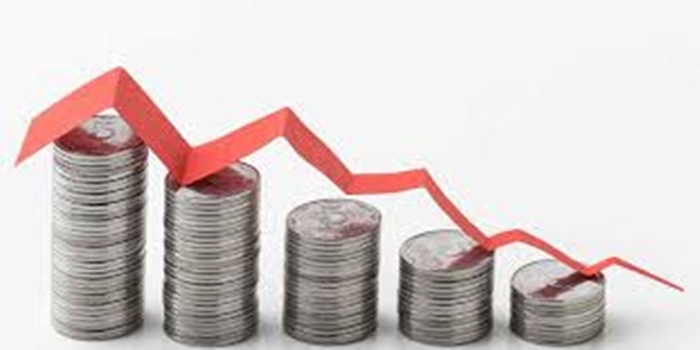
In this article, we explained inflation, why inflation is a major concern in Africa, the impact on venture capital in Africa, most affected by inflation, opportunities emerging from inflation, the importance of digital transformation.
Definition
Inflation refers to the sustained increase in the prices of goods and services over time, reducing the purchasing power of money.
In simple terms:
As inflation rises, money buys fewer goods and services.
Business costs increase.
Consumers spend more cautiously.
Economic uncertainty grows.
While moderate inflation is normal in many economies, high or persistent inflation can create serious problems for startups and small businesses.
Why Inflation Is a Major Concern in Africa
Many African economies have experienced periods of high inflation due to factors such as:
Currency depreciation
Rising fuel prices
Import dependence
Political instability
Global supply chain disruptions
Debt pressures
Food insecurity
Weak industrial production
Several African countries have recently faced double-digit inflation rates, affecting both businesses and consumers.
For startups operating with limited financial reserves, inflation can quickly become a survival issue.
African Startups Operate in Fragile Environments
Unlike large corporations, startups often:
Have limited cash flow
Depend on external funding
Operate with thin profit margins
Lack pricing power
Face rapid growth pressure
This makes them especially vulnerable to inflationary shocks.
A large company may absorb rising costs temporarily. A startup often cannot.
Rising Operational Costs
One of the most immediate impacts of inflation is the increase in business operating expenses.
African startups face rising costs in areas such as:
Rent
Electricity
Fuel
Internet services
Transportation
Cloud software subscriptions
Raw materials
Logistics
For startups already managing tight budgets, these cost increases reduce profitability and extend the path to sustainability.
The Energy Crisis and Fuel Costs
Many African startups operate in regions with unreliable electricity infrastructure.
As a result, businesses often depend heavily on:
Fuel generators
Backup power systems
Alternative energy solutions
When fuel prices rise due to inflation, operational expenses increase dramatically.
This particularly affects:
Manufacturing startups
Logistics companies
Retail businesses
Food processing ventures
Tech hubs and coworking spaces
Energy costs can become one of the largest expenses for early-stage companies.
Currency Depreciation and Exchange Rate Pressure
Many African currencies experience significant volatility during inflationary periods.
This creates serious challenges for startups that rely on:
Imported goods
Foreign software tools
International vendors
Dollar-denominated services
For example: A startup paying for cloud hosting, advertising, or software subscriptions in U.S. dollars may see costs rise sharply when local currencies weaken.
Inflation affects consumers as much as businesses.
As prices rise:
Households spend more on essentials
Disposable income declines
Non-essential spending decreases
This can hurt startups operating in:
E-commerce
Entertainment
Luxury goods
Consumer technology
Lifestyle services
Consumers become more price-sensitive, forcing startups to rethink pricing strategies and product offerings.
Difficulty Raising Prices
While costs rise, many startups cannot easily increase prices without losing customers.
The Funding Slowdown
Inflation often influences global investor behavior.
When inflation rises globally:
Interest rates increase
Investors become more cautious
Venture capital funding slows
Risk appetite declines
African startups may struggle even more because investors often view emerging markets as higher risk during uncertain economic conditions.
This can lead to:
Lower startup valuations
Smaller funding rounds
Longer fundraising cycles
Increased investor scrutiny
Startups that once prioritized rapid growth may now be forced to focus on profitability and sustainability.
Impact on Venture Capital in Africa
AfricaCn startup funding has grown significantly over the past decade, especially in sectors such as:
Fintech
E-commerce
Logistics
Health tech
Agri-tech
However, inflation and global economic uncertainty can reduce capital inflows.
Investors increasingly prioritize:
Strong unit economics
Efficient spending
Revenue generation
Sustainable growth
This marks a shift from the previous “growth at all costs” mentality common in startup ecosystems.
Hiring Challenges and Talent Retention
Inflation affects startup employees directly.
As living costs rise, workers demand:
Higher salaries
Better benefits
Remote flexibility
Foreign currency compensation
Startups often struggle to compete with:
Multinational corporations
Remote global employers
International tech firms
This contributes to talent migration and retention problems.
Many African tech workers now seek remote jobs paid in stronger foreign currencies.
Psychological Pressure on Founders
Inflation does not only affect finances—it also affects mental well-being.
Startup founders may experience:
Increased stress
Burnout
Financial anxiety
Difficult leadership decisions
Investor pressure
Managing a startup during economic instability requires resilience and adaptability.
Conclusion
Inflation places significant pressure on African startups by increasing operating costs, reducing purchasing power, and making access to funding more difficult. While it challenges growth and stability, it also pushes startups to become more innovative, cost-efficient, and adaptable in order to survive and remain competitive in uncertain economic conditions.